Situational awareness means noticing your environment, the people in it, and how both are changing around you — before something forces you to react. It costs nothing, requires no permit, and works every single time you use it. No stun gun, pepper spray, or self-defense keychain can protect you from a threat you never saw coming. Awareness is what gives you the seconds you need to avoid danger — or to use whatever tool you’re carrying effectively.
Why does situational awareness matter more than the tool in your hand?
I’ve carried a rifle. I’ve carried a sidearm. And I can tell you the most important weapon I ever had wasn’t either one — it was paying attention. In the Army, we called it staying “left of bang.” That means noticing the signs before the explosion, before the ambush, before the moment things go wrong. Civilian life isn’t a war zone, but the principle doesn’t change. The danger you see coming is the danger you can avoid.
Here’s what breaks my heart: I’ve talked to people who bought a stun gun, tucked it in the bottom of a purse, and never thought about it again. That’s not preparedness. That’s a false sense of security. A tool only works if your mind is already working — if you’ve already clocked the guy following too closely, or noticed the van parked with its engine running in an empty lot. The tool is the backup. Your awareness is the plan.
What does situational awareness actually look like in everyday life?
It looks like small, quiet habits — not paranoia. It’s checking your mirrors before you get out of the car. It’s noticing who’s around you when you’re walking to your dorm, your apartment, your office at night. It’s trusting the small pit in your stomach when something feels off, instead of talking yourself out of it because you don’t want to seem rude.
I taught my own daughter this before she left for college: keep your head up, not buried in your phone. Know where the exits are in a room. Notice if the same person shows up in two different places you’ve been. These aren’t dramatic skills. They’re quiet ones. But they are the difference between spotting trouble early — when you still have options — and getting caught flat-footed with none.
This is also why I always tell people that a lightweight self-defense keychain works best when it’s already in your hand before you need it — not buried at the bottom of your bag while you’re fumbling and distracted. Awareness tells you when to have it ready. The tool just backs up the decision you already made.
How do I build situational awareness without living in fear?
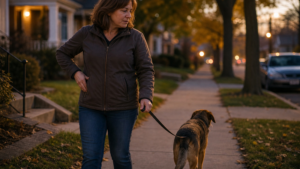
You build it the same way you build any habit — small, repeated, low-effort actions until they become automatic. This is the part I want every parent, every college student, every retiree walking their dog at dusk to hear: awareness is not fear. Fear freezes you. Awareness frees you. It lets you move through your life — grocery stores, parking garages, campus walkways — with steady confidence instead of anxiety.
Start with three habits. First, look up. Phones are the number one thing that steals awareness from good people. Second, trust your gut without needing proof. Your subconscious notices patterns before your conscious mind catches up — that uneasy feeling is data, not drama. Third, have a plan before you need one. Know where you’d go, what you’d grab, who you’d call.
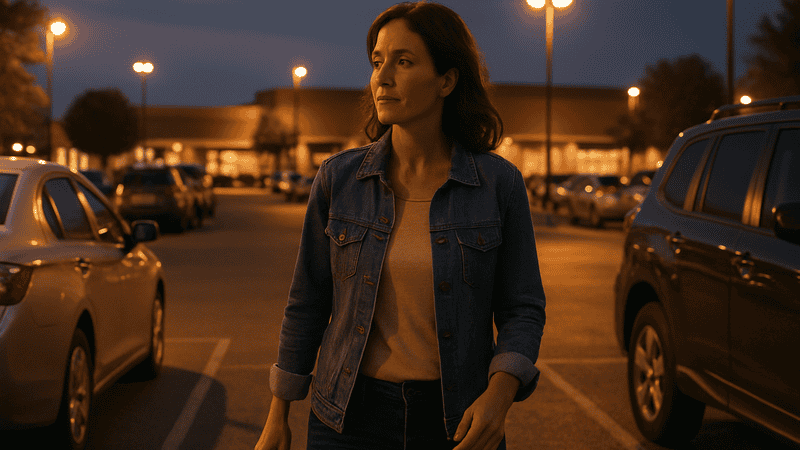
I think about this every time I see someone walking to their car at night with their arms full of shopping bags, keys still in their purse. That’s a person who hasn’t built the habit yet. It’s an easy fix. A pointed keychain self-defense tool clipped where you can reach it, paired with the simple habit of scanning the lot before you step out of the store — that’s a mother, a daughter, a neighbor who’s prepared without being afraid.
Why do I care so much about people learning this before they ever buy a product?
Because I’ve seen what happens when good people are unprepared, and I’ve seen how much confidence comes back once they’re not. I didn’t get into this business to sell fear. I got into it because I want people I love — and people I’ll never meet — to walk to their cars, to their dorms, to their homes, without that knot in their stomach.
Every product on this site — every self-defense keychain for women, every telescopic baton, every brand from Mace to Streetwise to TASER — exists to support a decision you already made because you were paying attention. None of it replaces awareness. All of it depends on it. That’s not a sales pitch. That’s twenty years of experience talking.
How does awareness change the way I choose a self-defense tool?
Once you understand awareness comes first, you choose differently. You stop looking for the flashiest gadget and start asking: what can I access instantly, without thinking, in the middle of a bad moment? That’s why so many people I talk to end up choosing something simple — a knife clipped inside a jacket pocket, a compact stun device already in hand before they cross a dark lot.
If you’re weighing your options, I wrote a full breakdown of what real-world data says works best for women specifically — worth a read if you want to make an informed choice instead of a rushed one: The Most Effective Self-Defense Weapons for Women, Ranked by Real-World Use. And if you travel, awareness doesn’t stop at your front door — I never check into a hotel without thinking through room security first, which is why I wrote about the tool I always pack: Travel Door Alarms: The Compact Security Tool I Never Check Into a Hotel Without.
For everyday carry, a good self-defense knife earns its place for the same reason — it’s fast, reliable, and doesn’t require batteries or a charge. But again, the knife isn’t the plan. Noticing the threat early enough to use it is the plan.
What’s the first step someone should take today?
Put your phone away for one walk today. That’s it. Walk from your car to your door, from your desk to the parking lot, and just notice. Notice the cars, the people, the exits, the shadows. That’s the whole exercise. It sounds too simple to matter, but this is exactly how the habit starts — and habits are what keep people safe, not products sitting unused in a drawer.
Frequently Asked Questions About Situational Awareness
What is situational awareness in self-defense?
Situational awareness is the ongoing habit of noticing your surroundings — people, exits, vehicles, and anything out of place — so you can recognize danger before it reaches you. It’s not paranoia. It’s a quiet, steady habit that gives you time to avoid trouble or react effectively if you can’t avoid it.
Can situational awareness really prevent an attack?
In many cases, yes. Most predators look for easy, distracted targets. Someone who’s visibly aware — head up, scanning their surroundings, walking with purpose — is a far less appealing target than someone buried in their phone. Awareness doesn’t guarantee safety, but it significantly reduces your odds of being chosen as a target.
How do I stay aware without feeling paranoid all the time?
Treat it like a habit, not a mindset of fear. Build small routines — checking your surroundings before getting out of the car, noticing exits when you enter a building — until they become automatic. Done right, awareness feels like quiet confidence, not constant anxiety.
Do I still need a self-defense tool if I’m situationally aware?
Yes. Awareness reduces risk, but it doesn’t eliminate it. A self-defense keychain, stun device, or personal alarm gives you a physical response option for the moments awareness alone can’t prevent. Think of awareness as your early warning system, and your tool as the backup plan.
What are simple ways to practice situational awareness every day?
Put your phone away while walking. Know where the exits are in any room you enter. Notice who’s around you in parking lots. Trust your gut if something feels wrong, even without clear proof. These small habits, repeated daily, build real awareness over time.
Is situational awareness more important than the self-defense product I carry?
Yes — awareness comes first. A tool only helps if you recognize the threat early enough to use it. Many dangerous situations are avoided entirely by people who notice warning signs early, long before any tool becomes necessary.
How does situational awareness apply to college students and young adults?
College campuses can create a false sense of safety because they’re familiar and social. Students should still practice basic awareness — walking with headphones out at night, noticing who’s nearby, and keeping a self-defense tool accessible rather than buried in a backpack.
What’s the biggest mistake people make with situational awareness?
The biggest mistake is thinking awareness only matters in “dangerous” places. Most incidents happen in ordinary settings — grocery store parking lots, apartment hallways, familiar routines. Awareness has to be constant, not reserved for moments that already feel risky.
I don’t want anyone to need what’s on this site. But if the day ever comes, I want you to already have your eyes open, your plan in place, and something reliable within reach. That’s the whole philosophy behind everything we sell — awareness first, tools second, confidence always.