Situational awareness works because most threats broadcast warning signs minutes before they act — a person loitering too long, a vehicle circling a block twice, a change in someone’s walking pattern. People who notice these signals early can change direction, leave an area, or reach for a tool before a situation ever becomes an incident. The people who get hurt are rarely the ones who saw it coming. They’re the ones who never looked.
What is situational awareness, really?
It’s not paranoia. It’s not a tactical buzzword. Situational awareness is simply the practice of noticing what’s around you before your brain decides it matters. Most people walk through parking lots, hallways, and sidewalks on autopilot — phone in hand, headphones in, mind three tasks ahead of their feet. Situational awareness is the discipline of pulling a small percentage of your attention back to the present moment, all the time, without exception.
Here’s what most people don’t realize: the information is almost always there. The person sitting in a car for twenty minutes with the engine running. The stranger who asks for the time, then doesn’t look at your watch. The hallway that suddenly feels quieter than it should. These are not dramatic movie moments. They’re small, quiet signals — and they’re the entire reason situational awareness works. You don’t need to predict the future. You just need to notice the present.
Why do most people miss the warning signs?
Because the signs are subtle, and subtlety doesn’t compete well with a phone screen. Most incidents don’t begin with a shout or a sudden lunge. They begin with something small and easy to explain away — a person who seems to be walking the same direction as you for one block too many, a car that passes slowly then circles back. The brain wants to dismiss these things. It’s more comfortable to assume nothing is wrong than to sit with the discomfort of maybe.
That instinct to dismiss is exactly what predatory behavior counts on. People who intend harm are not usually improvising in the moment — they’re testing. They watch how a target reacts to a first approach. Someone who is visibly aware, who makes eye contact, who has already clocked the exits — that person reads as a harder target. The ones who never look up are the ones being read.
We’ve written before about why situational awareness is the first line of defense before any tool or weapon, and the principle holds here too: the tool in your hand matters far less than whether you saw the moment that called for it.
How much of a threat can you actually spot in advance?
More than you’d think. Security researchers who study predatory behavior consistently find a pattern: there is almost always a pre-incident interval, a stretch of time — sometimes seconds, sometimes minutes — where the person intending harm is still deciding, still watching, still testing. That interval is your window. It’s short. It’s not always obvious. But it exists more often than people believe.
What you’re looking for isn’t one big red flag. It’s a pattern of small things that don’t add up:
- Someone whose eyes track you longer than a passing glance should
- A person who changes direction to intercept your path rather than cross it
- Unusual stillness — someone positioned where they have no obvious reason to be
- A vehicle that slows near you without a clear destination
- A stranger who closes distance faster than a normal greeting would require
None of these confirm danger on their own. Together, and noticed early, they buy you time — time to cross the street, time to enter a lit building, time to get a hand near a pepper spray or a stun gun before you’d ever need to use it.
What does situational awareness actually look like in daily life?
It looks almost invisible from the outside. It’s not scanning every stranger like a threat. It’s a quiet baseline habit — knowing where the exits are when you walk into a room, noticing who’s behind you without turning around obviously, keeping one earbud out in unfamiliar areas, glancing at a parking lot before you’re halfway across it instead of after.
It also means trusting the discomfort you already feel. Most people who’ve been through a close call describe the same thing afterward: “something felt off, and I ignored it.” That feeling has a name in behavioral research — it’s your subconscious processing pattern data faster than your conscious mind can explain. Situational awareness isn’t about manufacturing suspicion. It’s about giving that instinct permission to speak before the moment is over.
Practical habits that build this over time:
- Look up from your phone in transition spaces — parking lots, stairwells, entryways
- Notice exits when you enter any building or space
- Keep a mental note of who’s around you every 30 seconds or so in unfamiliar areas
- Vary your route home occasionally so patterns aren’t predictable to someone watching
- Carry a tool you’ve actually practiced with — a personal alarm is only useful if reaching for it is already muscle memory
Can a tool replace awareness, or does it just support it?
A tool supports awareness — it never replaces it. This is the part most people get backward. They buy a stun gun or a canister of pepper spray and feel like the problem is solved. But a tool only helps in the moment you’ve already recognized as dangerous. If you never notice the moment, the tool stays in the bag.
Awareness is what buys you the half-second of recognition. The tool is what you do with that half-second. That’s why the two matter together — and why something compact and immediately accessible, like a Runt stun gun clipped where your hand naturally falls, or a Streetwise pepper spray on a keychain, closes the gap between noticing and acting. The awareness sees it coming. The tool makes sure “coming” doesn’t become “arriving.”
If you run or walk alone regularly, this pairing matters even more — timing, distraction, and headphones all work against awareness in ways that are easy to underestimate. We cover this in more detail in is it safe to run with pepper spray? what runners need to know before they carry.
What’s the one habit that changes everything?
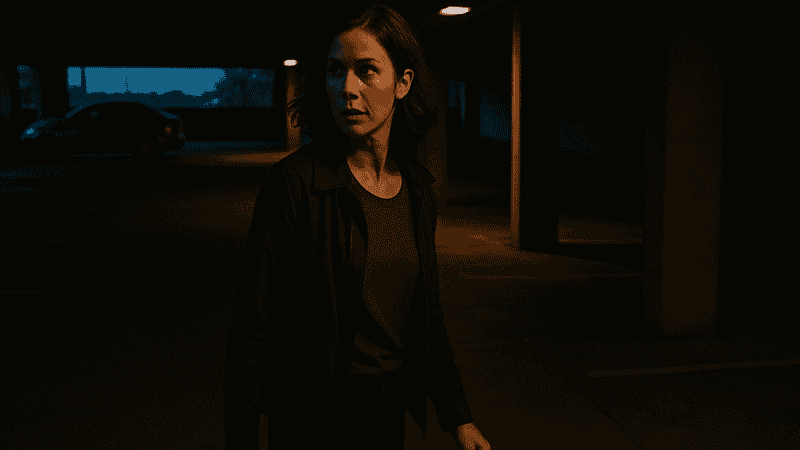
Looking up. That’s it. Not constant vigilance, not living in a state of alert — just the habit of lifting your eyes from your phone in the spaces between destinations. Most incidents happen in transition zones: parking lots, stairwells, the walk between a car and a front door. These are the exact places people are most distracted and least aware. Reclaiming even ten seconds of attention in these spaces changes the entire equation, because it puts you back inside that pre-incident window instead of missing it entirely.
Frequently Asked Questions About Situational Awareness
What is situational awareness in self-defense?
Situational awareness is the practice of consistently noticing your surroundings — people, vehicles, exits, unusual behavior — rather than moving through spaces on autopilot. It’s the skill that lets you recognize a developing threat while there’s still time to avoid it, rather than reacting after something has already happened.
How do I get better at situational awareness without being paranoid?
Start small. Practice noticing exits when you enter a room, or glancing at a parking lot before you’re halfway through it. This isn’t suspicion of every stranger — it’s a quiet baseline habit. Most people who do this well describe it as calm, not anxious, because awareness reduces uncertainty rather than adding to it.
What are early warning signs I should watch for?
Look for patterns, not single moments: someone whose attention lingers too long, a person adjusting their path to intercept yours, a vehicle circling or slowing near you repeatedly, or unusual stillness in a spot with no clear reason for someone to be there. No single sign confirms danger, but a cluster of them is worth acting on.
Does carrying a self-defense tool make situational awareness less important?
No — it makes it more important. A tool only helps once you’ve already recognized a threat. Awareness is what creates that recognition in the first place. Without it, even the best tool stays unused in a bag or pocket while the moment passes.
Why do I sometimes feel like something is “off” before anything happens?
That feeling is your subconscious mind processing behavioral patterns faster than your conscious mind can explain them. It’s not superstition — it’s early-stage pattern recognition. Most people who’ve experienced a close call report ignoring that exact feeling beforehand. Learning to trust it is part of situational awareness.
Is situational awareness something I can actually practice?
Yes. It’s a habit, not a personality trait. Small daily practices — noticing exits, varying routines, keeping one earbud out in unfamiliar spaces, checking a parking lot before crossing it — build awareness the same way any skill improves with repetition.
How much warning time does situational awareness typically give you?
Research on predatory behavior shows there’s often a pre-incident interval — a stretch of time where someone intending harm is still watching and deciding. This window can be as short as seconds or as long as several minutes. It’s rarely zero, which is exactly why awareness matters.
What’s the first thing I should do to build this skill starting today?
Put your phone down in transition spaces — parking lots, stairwells, entryways. Most incidents happen in these exact zones, precisely because people are most distracted there. Reclaiming just a few seconds of attention in these spots is the single highest-impact habit you can build.
Some things you notice. Some things notice you.
Awareness isn’t about fear. It’s about information — the kind that’s been there all along, waiting for someone to look up and see it. Most people go their whole lives without needing to act on what they notice. But the ones who’ve had a close call almost always describe the same thing: they felt it first, and they’re grateful they didn’t ignore it.
If you want a tool that closes the gap between noticing and acting, take a look at our full range of stun guns and pepper sprays — built for the moment your awareness already told you was coming.