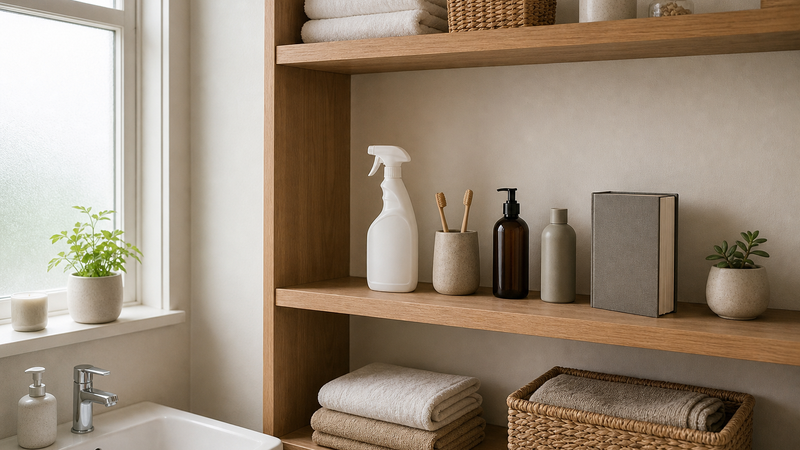
The most realistic diversion safes are designed to mimic everyday household items so convincingly that a burglar would have to pick them up, read the label, and compare them side by side with the real thing to suspect anything. The top categories are food and beverage containers — canned goods, soda cans, peanut butter jars — followed by household product disguises like cleaning sprays and hair care bottles, and then book safes with aged, realistic spines. The disguise only works if the item belongs in the environment where you place it.
I spent years in environments where concealment was a tactical decision, not a home decor choice. What I learned carries over directly to home security. A diversion safe is not about trickery for its own sake. It is about making your most important items invisible by hiding them in plain sight. The question is not whether diversion safes work — the data on burglars and diversion safes answers that clearly. The question is which ones are convincing enough to actually do the job.
What makes a diversion safe look genuinely realistic?
Realism in a diversion safe comes down to four factors: label quality, weight, material, and placement logic. Every one of these matters. Fail on any single factor and a determined burglar — or even a curious houseguest — can spot the fake.
Label quality is the first line of defense. A good diversion safe carries a label that matches the actual commercial product it imitates. The fonts, colors, nutrition information, UPC codes, and fine print should be indistinguishable from what you would grab off a grocery store shelf. Any fading, misalignment, or obviously laminated surface breaks the illusion immediately.
Weight is the factor most people overlook. A real can of soup weighs roughly 15 ounces. A hollow fake that weighs two ounces will give itself away the moment someone picks it up — and burglars do pick things up. The best food-can diversion safes use weighted bases or double-wall construction to approximate the feel of the real product. That detail separates a useful tool from a gimmick.
Material and construction determine durability and sound. Thin plastic rattles. Metal construction behaves like the real item when tapped or handled. When you are shopping for a diversion safe, handle it. Tap it. Shake it. If it sounds hollow or cheap, replace it with the real product and find a better safe.
Placement logic is the variable that most people get wrong. A can of WD-40 on a kitchen counter raises questions. That same can on a garage workbench disappears. A shampoo bottle in the living room looks wrong. In the master bathroom shower, it becomes invisible. Match the disguise to the room and the realism multiplies without any additional effort.
Which diversion safe disguises fool burglars most effectively?
Burglars work fast. The average residential break-in lasts under ten minutes. They are not conducting a forensic investigation — they are scanning for obvious value. That fact tells you exactly which disguises work best: the ones that look like they have no value at all.
Food and beverage cans are the strongest category. A can of beans in the pantry is the definition of low value to a burglar. Nobody is stealing your soup. Realistic canned food diversion safes — modeled on well-known grocery brands — sit in kitchen cabinets and pantry shelves completely unnoticed. They are also easy to access and hold a meaningful amount of cash, jewelry, or a spare key.
Household cleaning products perform equally well because they are large enough to store more and because burglars have zero interest in your cleaning supplies. A Ajax or Comet-style can under the kitchen sink holds cash and blends into a space that nobody targets. These work especially well because the space under the sink is both logical for the product and overlooked during a hurried search.
Hair care and personal care products — shampoo bottles, hairbrush safes, lotion bottles — belong in the master bathroom. That room does get targeted because people keep jewelry there. But a bottle of shampoo in the shower caddy or a brush on the vanity does not draw a second look. Know what you are storing and what disguise makes sense for that room.
Book safes work best on a shelf surrounded by other books. A single book safe sitting alone on an empty shelf is suspicious. That same safe placed between twenty other books becomes invisible. Choose a realistic spine — not a novelty title — and position it mid-shelf, not at eye level where curious eyes tend to land.
Electrical outlet safes and wall plug safes are among the most underrated options. Installed directly into a wall, they look like a standard electrical outlet. Nobody tests outlets during a burglary. The access point is flush, the storage is real, and the disguise is permanent. For high-value items you access infrequently — emergency cash, backup keys, important documents — this is a serious option worth considering.
What should you actually store in a diversion safe?
Keep it focused. A diversion safe is not a replacement for a fireproof document safe or a bolted floor safe. It is a secondary layer — a place to put the items a burglar would grab in thirty seconds if they found them. That means cash, spare keys, a backup credit card, small jewelry, and a USB drive with copies of important documents.
Do not overfill it. A can diversion safe that bulges, rattles, or will not close properly defeats itself. Store what fits comfortably and keep the rest secured elsewhere. Learn exactly what fits in common diversion safe sizes before you buy — dimensions vary more than most people expect.
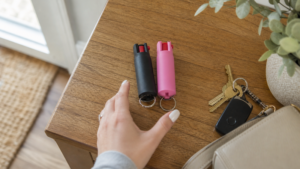
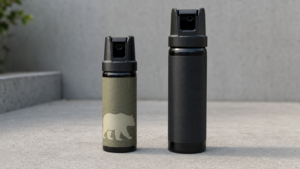
Do not store anything you would need immediate access to in an emergency. A diversion safe in the pantry is not where you want to be reaching during a home intrusion. Keep your active personal protection — your stun gun, your pepper spray — accessible and separate. The diversion safe handles passive, long-term storage.
How many diversion safes should you have in your home?
More than one. That is the direct answer. A single diversion safe is a single point of failure. If it gets found — by accident or by a methodical burglar — you lose everything in it. Distribute your assets across multiple safes in multiple rooms.
A reasonable setup: one food can safe in the kitchen pantry, one personal care product safe in the master bath, and one book safe in a home office or bedroom bookshelf. Each one holds a portion of what you are protecting. No single location holds everything. That is how layered security works — you do not put all of your assets in one place and hope the disguise holds.
This same logic applies to your overall home security posture. Diversion safes handle valuables. Visible deterrents — alarm systems, motion lights — handle perimeter awareness. Personal protection tools handle direct threats. None of these layers replaces the others. They reinforce each other.
Are cheap diversion safes worth buying?
No. This is a direct answer and I stand behind it. A poorly made diversion safe with a flimsy label, hollow-sounding construction, and obvious light weight is not a security tool — it is a prop. If it fails the handle test, it fails the burglar test.
Spend appropriately for what you are protecting. If the cash and jewelry in that safe is worth several hundred dollars, the safe protecting it should not be a five-dollar novelty item. Mid-range diversion safes with quality labels, real weight simulation, and solid construction cost between fifteen and forty dollars depending on size and style. That is a reasonable investment for what they protect.
Avoid diversion safes that look like novelty gifts — overly cute designs, joke labels, or formats that would never actually appear in a real home. A “Bank Robbers Loot Bag” diversion safe is a conversation piece, not a security tool. Buy something that belongs in your home naturally.
Frequently Asked Questions About Realistic Diversion Safes
What is the most realistic diversion safe you can buy?
Food and beverage can safes that replicate well-known grocery brands are consistently the most convincing. They carry accurate labels, approximate real product weight, and belong naturally in kitchen and pantry environments that burglars rarely target carefully. The realism depends on label accuracy, construction weight, and correct placement — all three factors must hold up together.
Do diversion safes actually fool burglars?
Yes, when used correctly. Most residential burglars spend less than ten minutes inside a home. They target obvious locations — master bedroom drawers, under mattresses, visible safes — and move on. A well-placed diversion safe in a low-value location like a pantry or bathroom cabinet is statistically very unlikely to be discovered. Placement is as important as the disguise itself.
Where is the best place to put a diversion safe?
Match the disguise to the environment. A canned food safe belongs in a pantry or kitchen cabinet among other canned goods. A shampoo bottle safe belongs in the bathroom. A book safe belongs on a full bookshelf. The single rule: the item must belong in that space. An out-of-place item draws attention regardless of how realistic the label looks.
Can you put a diversion safe in the master bedroom?
You can, but the master bedroom is the first place most burglars search. If you place a diversion safe there, it needs to compete with other realistic items in the same space. A personal care product on a nightstand or dresser can work. A standalone “book” on an otherwise bare shelf will not. Bedroom placement requires more attention to contextual camouflage than other rooms.
How much can you store in a typical diversion safe?
It varies significantly by format. A standard food can safe holds roughly the same volume as a soup can — enough for rolled bills, a spare key, small jewelry, or a folded document. Larger formats like hairbrush safes or cleaning product bottles hold more. Electrical outlet safes are slim but surprisingly functional for flat items like cash and cards. Check dimensions before you buy.
Are book safes as realistic as can safes?
Book safes are realistic in the right context. A single book safe on a sparse shelf looks suspicious. That same safe positioned among twenty other books becomes invisible. The spine design matters — a generic classic title ages better than a novelty cover. For homes with actual bookshelves, a book safe is an excellent option. For homes without books, it is the wrong disguise.
Should a diversion safe replace a regular safe?
No. A diversion safe is a secondary security layer, not a primary one. It handles items you want concealed but accessible — cash, spare keys, small valuables. For firearms, irreplaceable documents, or large amounts of cash, a bolted fireproof safe is the right tool. Use both. Layered security is always more effective than a single point of protection, regardless of how good that single point is.
How do I keep family members from accidentally using my diversion safe?
Tell the people who live with you. A diversion safe only needs to fool strangers — not your household. Inform every adult in the home which items are safes and where they are located. This prevents someone from tossing your “shampoo bottle” or stocking your “soup can” into a pot. Operational security means the people on your side know the plan.
A diversion safe does one thing exceptionally well: it puts your valuables somewhere a burglar will not look. The disguise is the security. That means the realistic ones — the ones that pass the weight test, the label test, and the placement test — are worth owning. The novelty ones are not. Buy the right tool, place it where it belongs, and distribute your assets across more than one location. That is how this works.
If you are building out your home security setup and want to understand the full picture — from what to store in a diversion safe to the personal protection tools that complement passive security — browse the full breakdown of how diversion safes perform against real burglary threats. And if you are thinking beyond the home — about personal protection when you are out and moving — take a look at how everyday people are staying prepared without carrying a firearm. My underlying position has never changed: I do not want you to need any of this. But I want you to have it if you do.