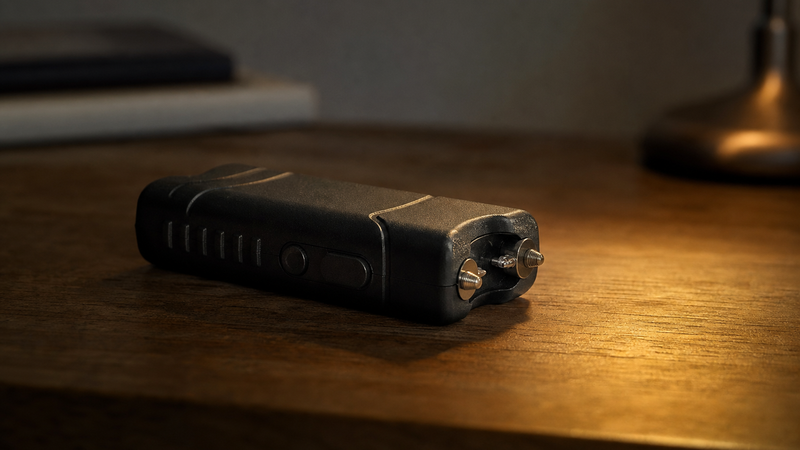
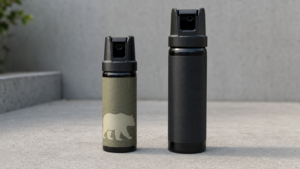
Stun guns range in price from around $19 to $150 or more, depending on size, power output, features, and build quality. Most reliable options for personal use fall between $30 and $80. A $20 device and a $70 device may look nearly identical in a product photo — but what’s inside those housings, and what happens when you actually need one, is where the real difference lives.
That gap — the one between what a stun gun looks like and what it actually does — is what most people never think to ask about. They search the price. They find a range. And then they pick something without knowing what the number actually reflects. That’s worth slowing down for.
What does a stun gun actually cost — and why does the range vary so much?
Walk into any search result and you’ll see stun guns listed from $19.99 to $159. That spread isn’t random. It reflects real differences in how these devices are built, how much electrical output they deliver, and how long they hold up under regular use.
At the low end — under $25 — you’re typically looking at devices with minimal amperage output, basic plastic housings, and no integrated features like a flashlight, alarm, or rechargeable battery. They may function. But “may function” isn’t a standard you want to count on.
In the $30–$60 range, you start seeing consistent build quality, higher microcoulomb ratings (the real measure of effective output), rechargeable designs, and models built specifically for how people actually carry them — on a keychain, clipped to a bag, stored in a jacket pocket. This is where most everyday-use stun guns live.
Above $70, you’re looking at devices with layered features: integrated LED flashlights, safety mechanisms, belt holsters, extended battery life, or form factors designed for specific users — bartenders, seniors, people who walk or run alone at night. The price climbs because more engineering went into the design. Whether you need those features depends on your situation, not the price tag alone.
Is a cheaper stun gun just as effective as an expensive one?
Not always — and the reason is subtle enough that most buyers never catch it. Stun gun manufacturers often advertise voltage. Big numbers. Millions of volts. That figure sounds impressive, and sellers lean on it. But voltage alone doesn’t tell you much about what the device will actually do to stop a threat.
The number that matters is microcoulombs — the measure of charge delivered per pulse. A device with a high microcoulomb rating affects the body’s neuromuscular system more effectively than one with a flashy voltage claim and weak actual output. Lower-cost devices frequently lead with voltage marketing and deliver lower microcoulomb ratings. You’re getting the number, not the performance.
There’s also the matter of consistency. A quality stun gun delivers reliable output across repeated uses and holds a charge over time. A poorly built one may work fine the first time you test it and behave differently when you actually need it. That inconsistency is the thing nobody talks about — and it’s the thing that matters most.
If you’re wondering whether stun guns are effective for self-defense in general, that question goes deeper than price. I’ve written about it directly: are stun guns effective for self-defense?
What features change the price of a stun gun the most?
A few specific features consistently move the price — not arbitrarily, but because they add real function to the device.
Rechargeable batteries add cost upfront but remove the need to keep replacement batteries on hand. A stun gun you forget to replace batteries in is a stun gun that may not work. Rechargeable designs — especially those with a built-in plug — reduce that variable. A good example of this type of design is the compact rechargeable stun gun, which keeps a usable form factor without sacrificing that reliability.
Integrated flashlights serve a practical purpose that isn’t obvious at first. A stun gun you’re reaching for in a dark parking garage is more useful if it also illuminates the situation before you’re in contact range. That’s not a luxury feature. It’s a tactical one. The stun gun with holster and flashlight addresses exactly this — and the holster adds carry convenience that matters for daily use.
Form factor and concealment are underappreciated cost drivers. Devices designed to look like something other than a stun gun — a pen, a flashlight, an everyday object — require more engineering. A stun gun pen that can sit in a shirt pocket without drawing attention took real design work to produce. That work has a price.
Safety mechanisms also raise the cost. A sliding safety, a disable pin, a two-step activation sequence — these features prevent accidental discharge and are worth what they add.
Are there stun guns built for specific situations, and do they cost more?
Yes. And this is where price starts to reflect something more interesting than features — it reflects how well a product was designed for a particular context.
A person who works late shifts at a bar has different needs than a college student walking to her car at midnight. A senior who uses a walking cane every day carries differently than a runner. Products that acknowledge those differences cost more because they were engineered for something specific, not just produced to a price point.
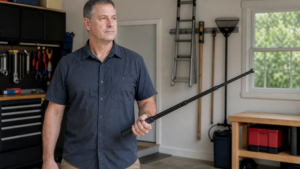
The stun gun for bartenders is a good example — it’s designed for environments where discretion matters and space is limited. The walking cane stun gun is another — it integrates protection into something a person already carries, without adding bulk or changing a routine.
These aren’t gimmicks. They’re purpose-built. And purpose costs a little more than generic.
What brands are worth knowing about in this price range?
Most of what I carry falls under brands that have earned consistent reputations — not through marketing, but through field reliability. Streetwise, Runt, ZAP, TASER, Mace, Striklight 2, Bad Ass, BashLite, and Wildfire are names I stock because they hold up. You’ll see them across different price tiers, which tells you something: these manufacturers build at multiple levels without cutting corners on function.
TASER sits at the upper end of the range for a reason — its line uses a different mechanism entirely, projecting probes rather than requiring direct contact. That engineering commands a higher price and delivers something different from a contact stun device. Whether that’s what you need is a separate question.
For most everyday buyers — a parent, a college student, someone who commutes alone — a mid-range device from a reliable manufacturer is enough. You don’t need the most expensive option. You need the right option for how you actually live.
Where should I buy a stun gun to make sure I’m getting a real product?
This matters more than most people realize. The stun gun market has a counterfeit problem. Low-cost overseas manufacturers produce devices with fraudulent voltage ratings, non-functional safety mechanisms, and housings that crack under pressure. These products look like stun guns. They often don’t perform like them.
Buying from a dedicated self-defense retailer — one that sources from established manufacturers — removes most of that risk. You know what you’re getting because the seller has already done the vetting. I’ve covered this in more detail in a separate post: where can I buy a reliable stun gun?
Marketplace platforms are convenient. They’re also inconsistent. A product listed at $18 with 300 reviews may be a different product than the one that originally earned those reviews. That’s a known issue on major retail platforms, and it’s worth knowing before you make a purchase decision based on star ratings alone.
Frequently Asked Questions About Stun Gun Prices
What is the average price of a good stun gun?
A reliable stun gun for everyday personal use typically costs between $30 and $80. Devices in this range offer adequate microcoulomb output, durable housings, and useful features like rechargeable batteries or safety mechanisms. Under $25, quality becomes unpredictable. Over $100, you’re usually paying for specialized form factors or extended range capability, which most buyers don’t need.
Why are some stun guns so cheap?
Cheap stun guns often use low-quality components, deliver inconsistent electrical output, and are built to a price rather than a performance standard. Many advertise high voltage numbers while delivering low microcoulomb ratings — the actual measure of effective output. Some are counterfeit products that look functional but aren’t. A $19 device may work fine in a test. The question is whether it works when you need it.
Does a higher voltage mean a better stun gun?
No. Voltage is the least useful number when evaluating a stun gun. Microcoulombs — the charge delivered per pulse — is what actually affects the body’s neuromuscular system. Many manufacturers advertise millions of volts on devices with weak actual output. Look for microcoulomb ratings from brands with verifiable track records, not just the biggest number in the product title.
Is a TASER worth the higher price?
TASER devices use a probe-projection mechanism that allows them to work at a distance rather than requiring direct contact. That’s a meaningful capability difference. They cost more — typically $150 and up — because of that engineering. Whether the price is worth it depends on your situation. For most close-proximity scenarios, a mid-range contact stun gun is effective. TASER makes sense when distance matters.
Do I need to spend more for a rechargeable stun gun?
Rechargeable models cost slightly more upfront but eliminate a real-world reliability problem: batteries that die because you forgot to replace them. A stun gun you can plug in — and actually keep charged — is more reliable than a battery-dependent device that sits in a drawer for six months. For most people, rechargeable is the smarter long-term buy.
Are specialty stun guns — like cane stun guns or pen stun guns — worth the extra cost?
If the specialty design matches how you actually live, yes. A walking cane stun gun costs more than a standard device, but it integrates protection into something you already carry every day. A stun gun pen is worth the design premium if you need low-profile carry in a professional setting. If the form factor doesn’t match your situation, a standard mid-range device is fine.
Can I find a reliable stun gun for under $30?
Some, yes — but the range is narrow and requires more careful vetting. At this price point, you’re looking for established brand names rather than unknown manufacturers. Devices from brands like Runt or BashLite at the lower end of their lines can deliver solid performance. Avoid no-name devices at this price from unverified sources. Quality control matters more, not less, when the budget is tight.
How do I know if a stun gun will actually work?
Buy from a reputable source. Choose a device with a verifiable microcoulomb rating — not just a voltage claim. Look for models from established manufacturers with a track record. Test the device periodically (a one-second test activation in a safe setting) to confirm it’s holding a charge. A device you’ve never tested is a device you don’t know. A few seconds of confirmation costs nothing.
Price tells you something about a stun gun. It doesn’t tell you everything. The gap between a $25 device and a $60 device isn’t always visible in a product photo — it shows up in microcoulomb output, in build consistency, in how the device performs on the third or thirtieth use rather than just the first. That’s the number most people never look for. Now you know to look.
If you’re ready to find something specific to your situation, browse the options on Stun Guns by category. There’s a device built for how you actually live — and knowing what you’re paying for makes it easier to find it.